From Bees to Reindeer: 10 Animals That See UV Light
Animals that see UV light have a secret world hidden from human eyes. While we see colors like red, blue, and green, these creatures can detect ultraviolet rays, revealing patterns, markings, and signals invisible to us.
This special ability helps them find food, spot predators, and even communicate with their own kind. Many insects, birds, and even some mammals rely on UV vision for survival. From tiny bees to powerful reindeer, these animals use their unique sight to navigate their environments in ways we can only imagine.
Scientists have studied this fascinating skill for years, uncovering how UV light shapes animal behavior. Whether it’s a butterfly looking for nectar or a bird choosing a mate, UV vision plays a crucial role in the animal kingdom. Let’s dive into the world of these amazing creatures and discover how they use ultraviolet light in their daily lives!
1. Bees
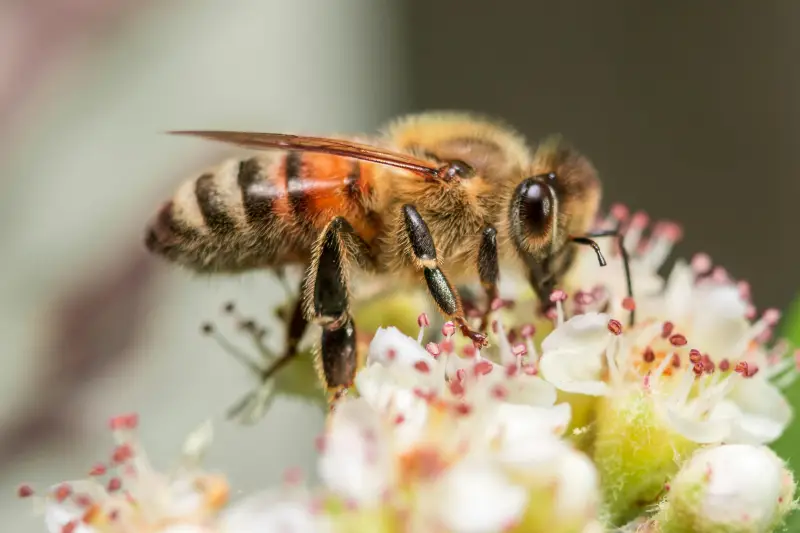
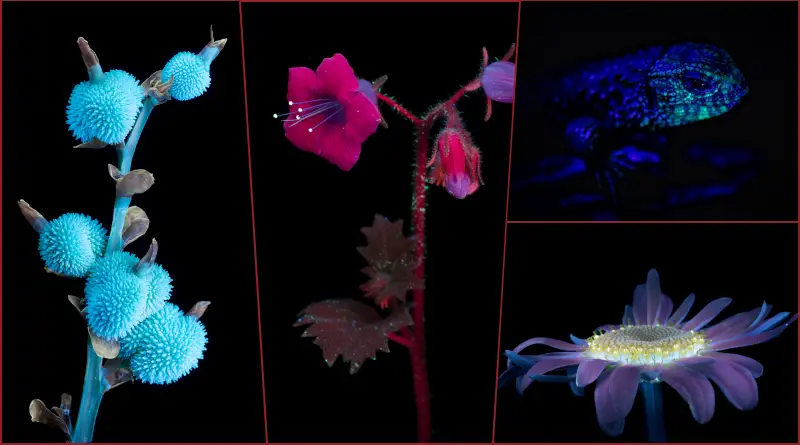
Bees rely on ultraviolet (UV) vision to find nectar. Many flowers have UV patterns invisible to humans but clear to bees. These patterns act as landing guides, leading bees straight to the nectar
Bees also use UV light to spot different flower species and choose the best ones for pollination. Without UV vision, bees wouldn’t be as effective at spreading pollen. Their eyes contain special photoreceptors that detect UV rays, helping them navigate and recognize colors beyond human perception.
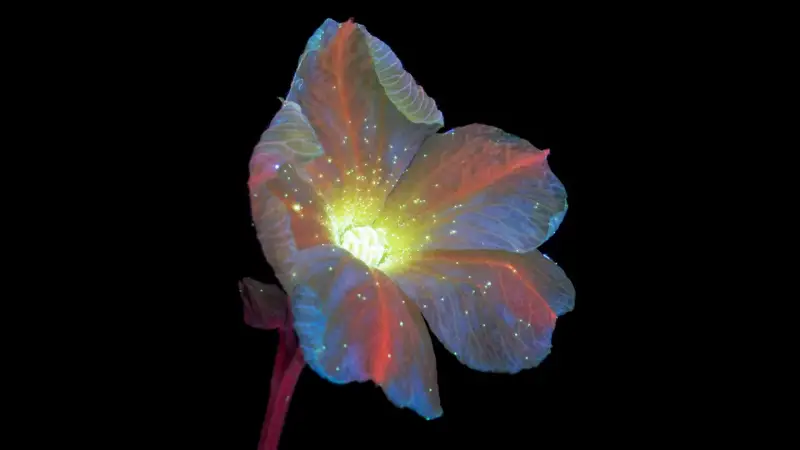
This unique vision is crucial for their survival, ensuring they find food efficiently. Scientists believe that without UV light, bees would struggle to perform their essential role in nature.
Photo by cpburrows.com
2. Butterflies
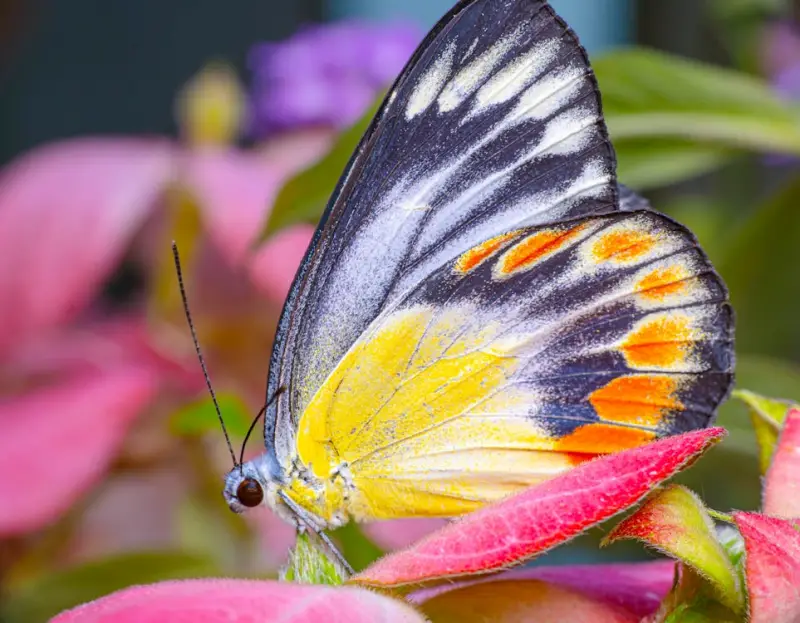
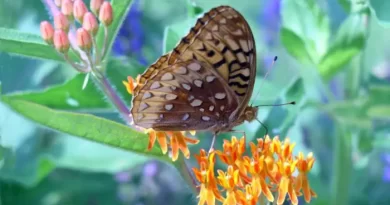
Butterflies can see a wide range of colors, including UV light. Their wings often have UV patterns that help them recognize each other and attract mates. Some species, like the cabbage white butterfly, use UV reflections to distinguish males from females.
Flowers also appear different under UV light, making it easier for butterflies to locate nectar. This ability enhances their survival, ensuring they pollinate the right plants. Since they rely on UV signals for communication and feeding, their vision plays a huge role in their daily lives. Without UV sight, they might have trouble recognizing mates or finding food.
Scientists have studied butterfly vision to understand how they navigate their environment. Their ability to detect UV light shows how nature has adapted to use invisible wavelengths in surprising ways.
3. Birds
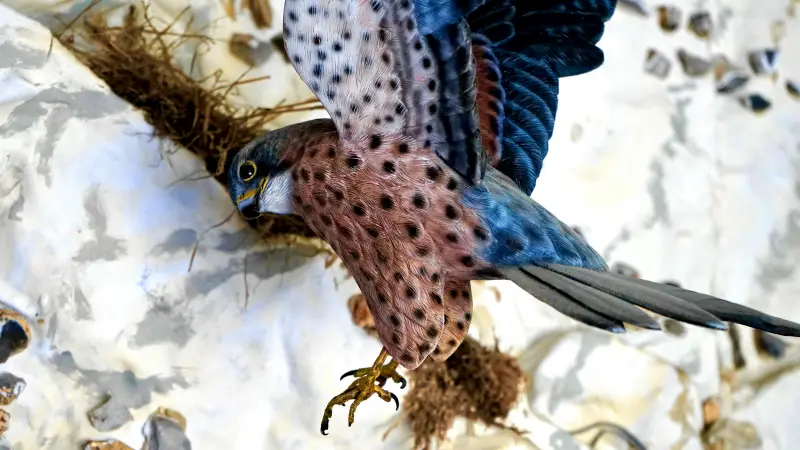
Many birds see UV light, which helps them in several ways. Some species, like starlings and kestrels, use UV vision to spot prey. Rodents leave urine trails that reflect UV light, making them easy targets for hungry birds.
Other birds, like blue tits, have UV-reflective feathers that make them more attractive to mates. Even fruit and berries appear different under UV light, helping birds identify ripe and nutritious food. This special vision allows them to survive in the wild by making hunting, mating, and feeding easier.
Researchers have found that birds with better UV vision tend to have higher success in finding food and mates. Their UV-sensitive eyesight is an incredible adaptation that gives them a major advantage in nature.
4. Reindeer
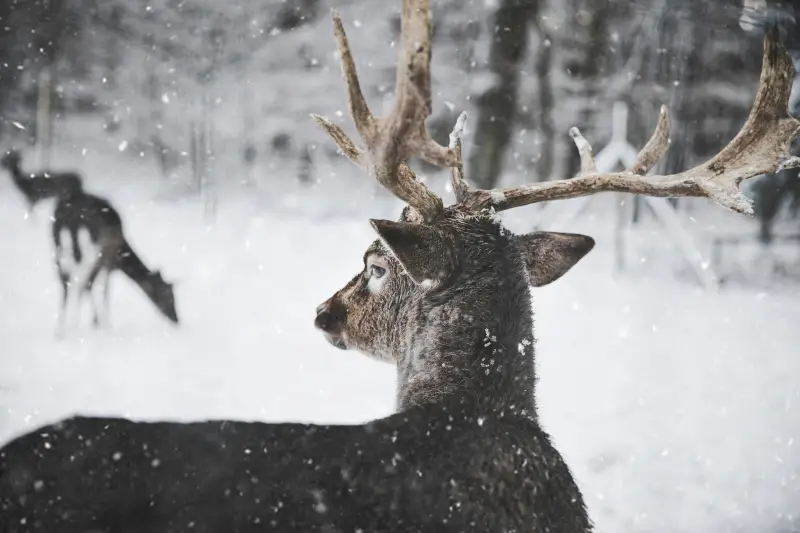
Reindeers have adapted to their snowy environments by developing UV vision. In the Arctic, their UV sight helps them detect lichens, their main winter food source. Lichens absorb UV light, making them stand out against the snow.
UV vision also helps reindeer spot predators like wolves, whose fur absorbs UV light and appears dark against the bright snow. This adaptation gives reindeer a survival edge in harsh conditions.
Scientists believe that reindeer developed UV sight to navigate the extreme brightness of snowy landscapes. By seeing UV light, they can find food and avoid danger more effectively than humans. This discovery has helped researchers understand how animals evolve based on their environments.
5. Mantis Shrimp
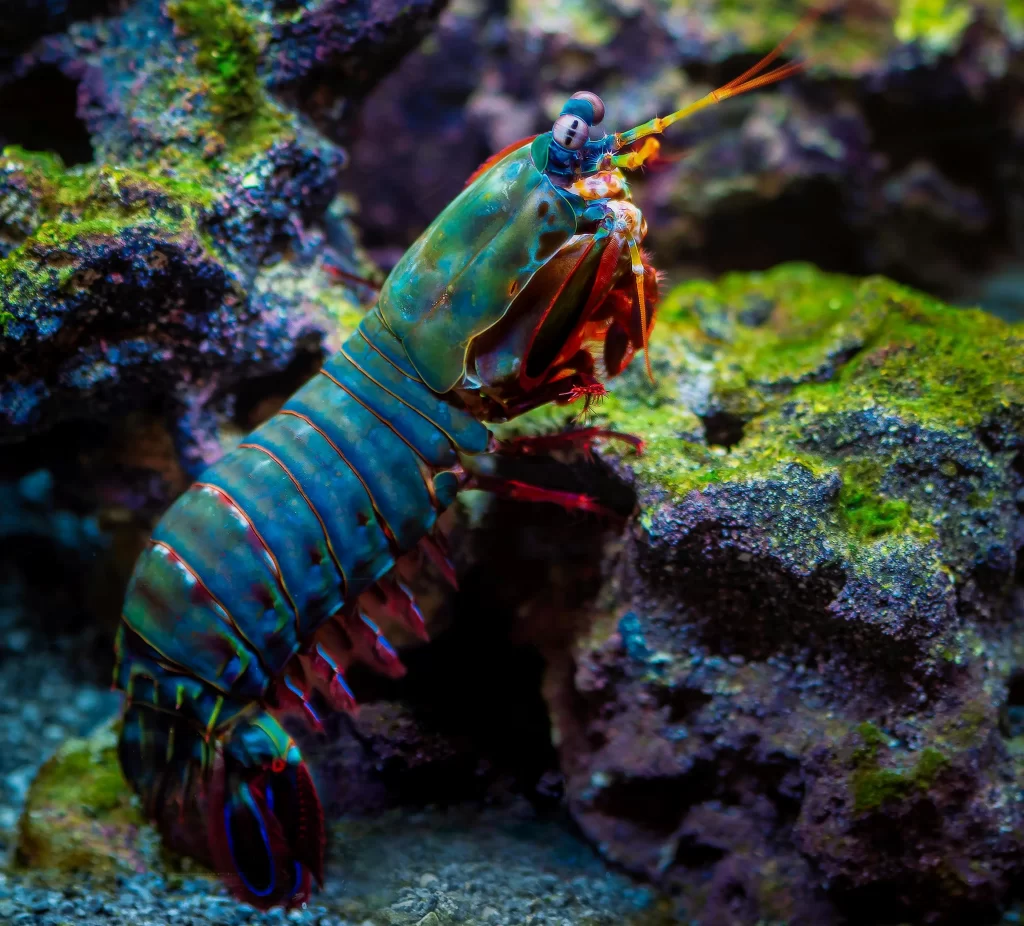
Mantis shrimps have some of the most advanced eyes in the animal kingdom. Their vision includes UV, infrared, and polarized light, allowing them to see a world invisible to humans.
These crustaceans use UV vision to detect predators, communicate, and hunt prey. Some species have special UV-reflective markings that help them recognize their own kind. Their unique eyesight also allows them to see hidden details on fish and coral that other animals miss.
Scientists study mantis shrimp vision to learn more about advanced color detection and improve camera technology. These shrimp prove that seeing UV light can be a powerful survival tool. Their complex eyes give them an edge in their underwater world, helping them thrive where others struggle.
6. Scorpions
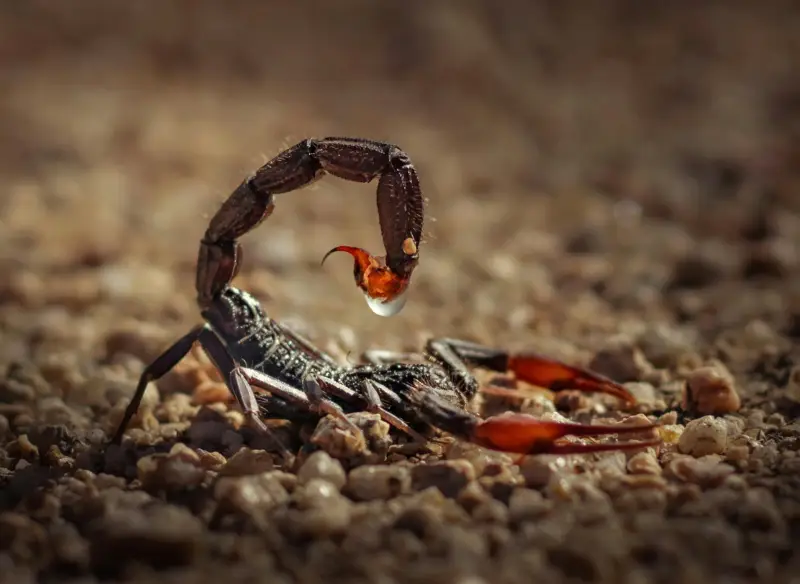
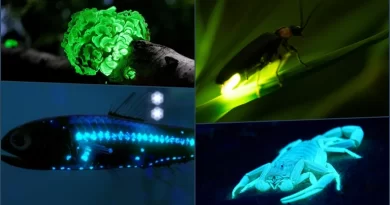
Scorpions glow under UV light, making them easy to spot at night. Scientists believe this fluorescence helps scorpions detect UV reflections in their surroundings.
Since many predators and prey also reflect UV light, this ability gives scorpions an advantage in hunting and survival. Their bodies contain chemicals that absorb UV light and emit a bright glow.
Researchers are still studying why scorpions evolved this trait, but it may help them avoid danger or communicate with other scorpions. This glow effect has also made them useful in scientific research and wildlife studies. UV vision helps scorpions navigate the dark, ensuring they stay alert and aware of their environment.
7. Salmon
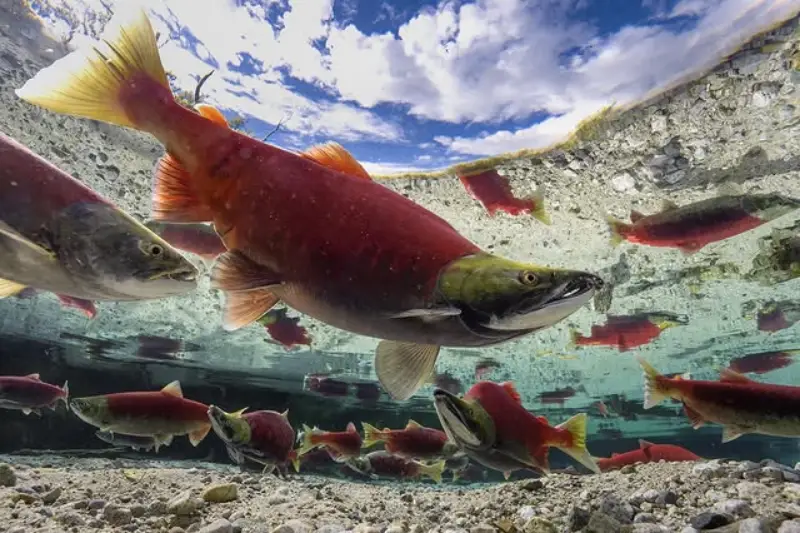
Young salmon use UV vision to find food and navigate rivers. Their eyes detect UV light, helping them locate tiny plankton, which reflect UV rays. As they grow older, their UV vision fades, but during their early stages, it plays a crucial role in their survival.
Scientists believe this adaptation ensures young salmon get the nutrients they need to grow. UV vision also helps them detect predators in the water, giving them a better chance of escaping danger.
By understanding how salmon use UV light, researchers can learn more about their migration and feeding habits. This knowledge is important for conservation efforts, ensuring that salmon populations remain stable.
Photo by instagram.com/jasonsching/
8. Reptiles (Some Lizards and Snakes)
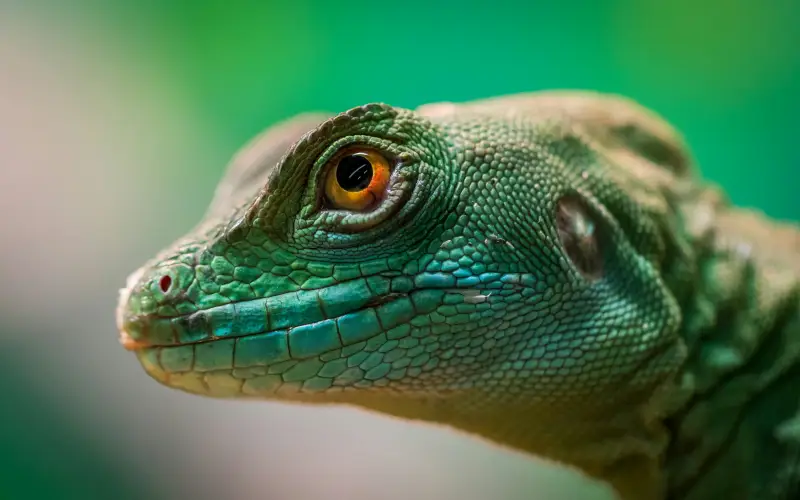
Many lizards and snakes can see UV light, which helps them find food and recognize mates. Some species, like geckos, use UV reflections to identify each other. Others, like pit vipers, combine UV vision with heat sensors to detect warm-blooded prey. This ability gives them a major advantage in hunting.
UV light also helps reptiles see patterns on other animals that humans cannot detect. This hidden world of UV reflections plays a big role in reptile survival.
Scientists have discovered that some lizards even have UV-reflective skin, which may help with communication. These adaptations show how different species use UV vision to thrive in their environments.
9. Rodents
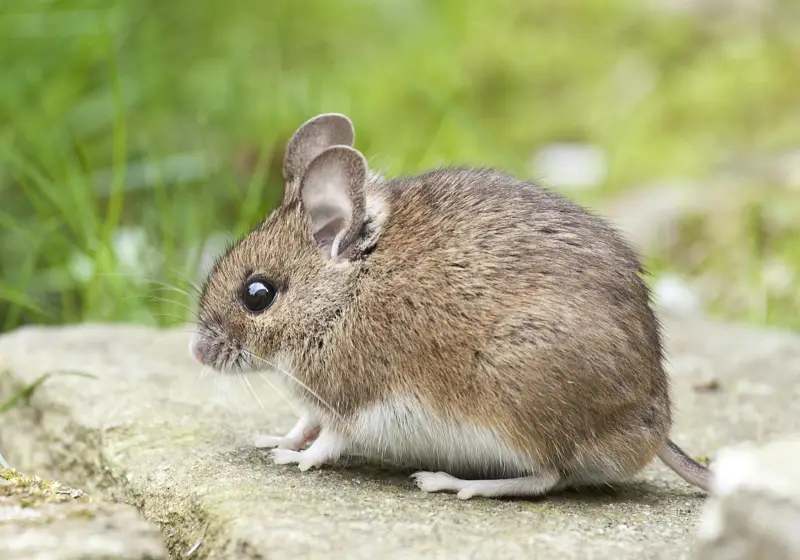
Rodents like mice and rats can see UV light, which helps them in various ways. Some species use UV vision to track scent trails left by others. This ability helps them find food and communicate with their group.
Research has shown that rodents may use UV light to recognize urine markings, making it easier to navigate their territory. Scientists believe this adaptation plays a role in survival by allowing rodents to detect potential dangers.
By studying rodent UV vision, researchers have gained insight into how animals perceive the world differently. This discovery has even influenced studies on human vision and brain function.
10. Cats and Dogs
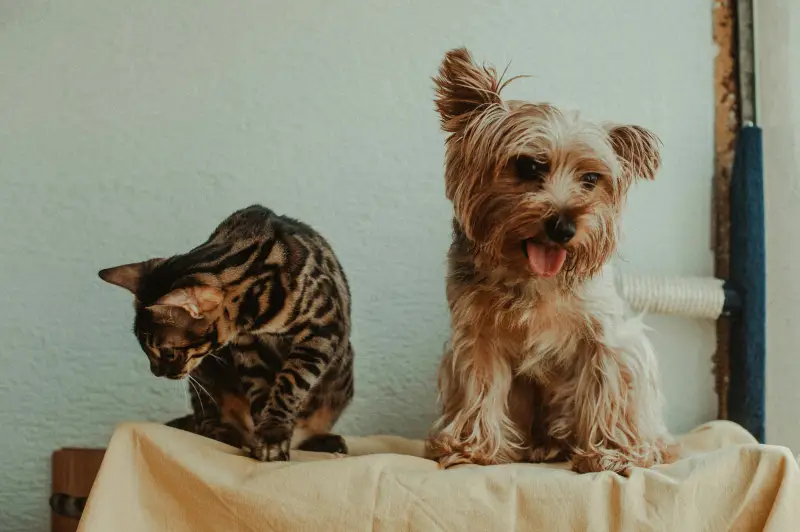
Recent studies suggest that cats and dogs may see some UV light. While their vision isn’t as UV-sensitive as bees or birds, they may still detect UV reflections. This might explain why dogs and cats react to things that seem invisible to humans.
Some objects, like white fabrics and urine stains, reflect UV light, making them more noticeable to pets. Scientists are still studying how UV vision affects their behavior. This discovery helps pet owners understand their furry friends better. It also shows how animals experience a world beyond human perception.
Conclusion
Animals that see UV light have special advantages in the wild. Whether it’s hunting, finding food, or spotting predators, UV vision plays a key role. Scientists continue to study this ability, unlocking secrets about how animals perceive their surroundings. Understanding UV vision helps us appreciate the incredible adaptations of nature. These animals show that there’s always more to see in the world than meets the human eye.
Also Read:
· 10 Weird and Wonderful Trees That Walk Around the World
· 10 Terrifying Prehistoric-Looking Animals That Time Forgot – Until Now!
· Discover 10 Weird and Bizarre-Shaped Trees Around the World
· Top 10 Scariest Animals in the World
· Top 10 Deadliest Snakes in the World