10 Foods From Around the World That Will Shock You
Have you ever tried foods from around the world? Some of them might shock you. People eat all kinds of strange and surprising dishes. These foods come from different cultures. Some taste great. Others might make you squirm. But each one tells a story. They are important to the places where they come from. Let’s explore 10 shocking foods from around the world.
Hákarl (Iceland)
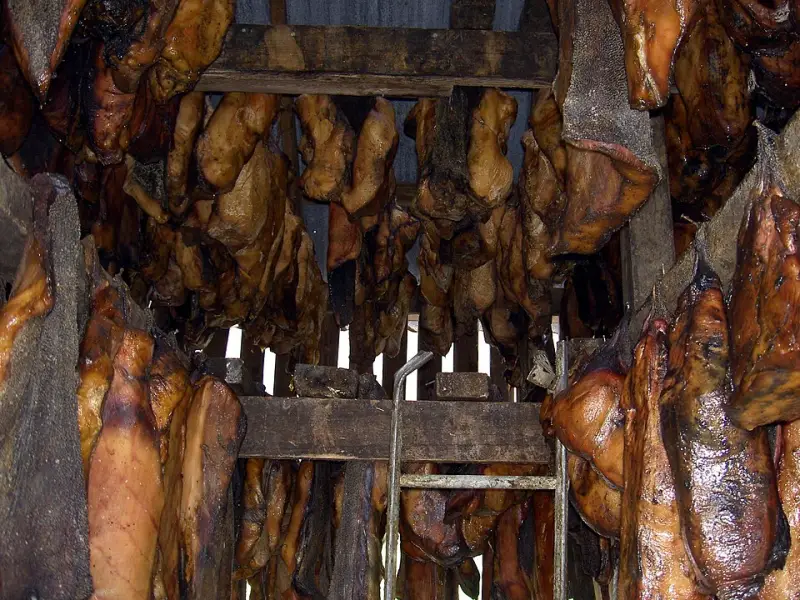
Hákarl is fermented shark meat, a traditional Icelandic food. It’s made by burying a shark in the ground for several months. After it ferments, it is hung up to dry. The process takes a long time and gives the shark a very strong smell. Many people are shocked when they try it because the smell is so pungent. The taste is salty and earthy. Some say it has a flavor like ammonia, while others say it’s more like fish jerky. Eating Hákarl is often seen as a rite of passage for tourists in Iceland. Locals eat it during holidays and celebrations. It’s not for everyone, but it’s a unique part of Iceland’s history and culture.
Durian (Southeast Asia)
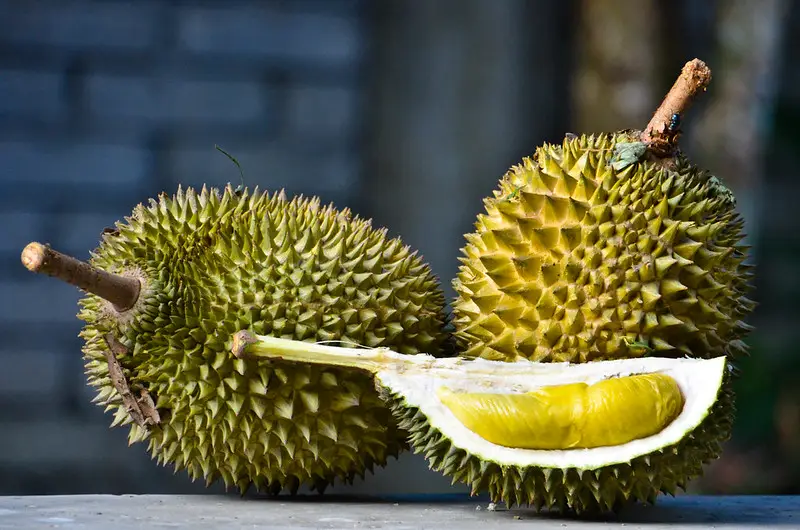
Durian is a tropical fruit found in Southeast Asia. It’s large and covered in thick, spiky skin. The inside, however, is soft and creamy. It has a strong smell, which is why many people find it shocking. In fact, the smell is so bad that it’s banned in many hotels and public transportation in places like Singapore. But don’t let that stop you from trying it. The taste is complex, with hints of almond, garlic, and onion. Durian lovers say it’s delicious, while others can’t stand it. It has a smooth, custard-like texture. In some countries, durian is used in ice cream, pastries, and even savory dishes. Despite the smell, it’s a beloved fruit in places like Thailand, Malaysia, and the Philippines.
Balut (Philippines)
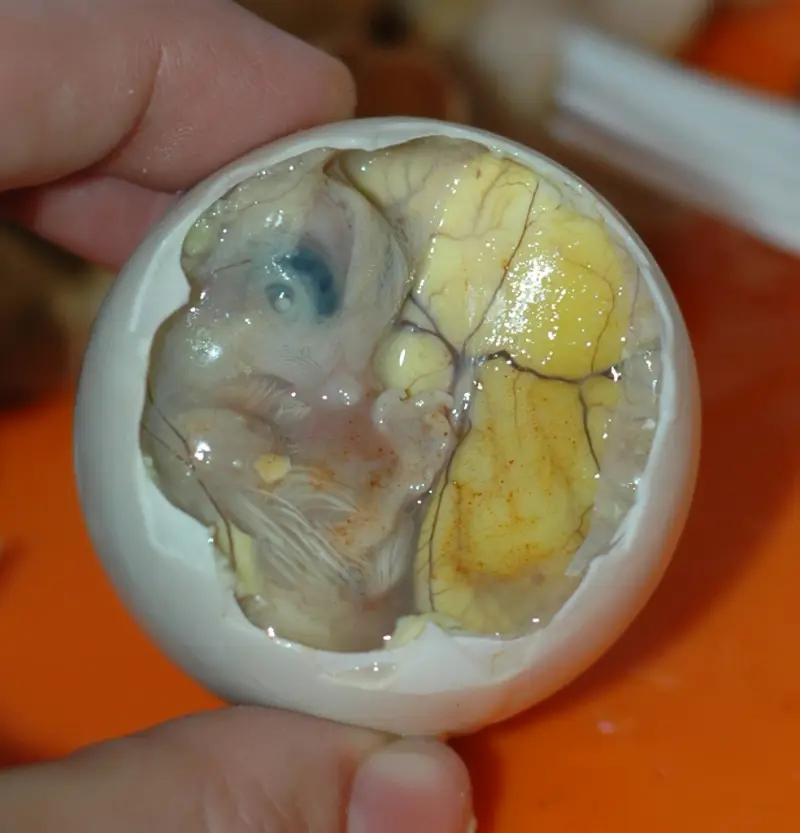
Balut is a fertilized duck egg. The egg is boiled and then eaten with the shell removed. It’s a popular street food in the Philippines. The egg contains a partially developed duck embryo. When you crack open the egg, you’ll see the duckling inside. For many tourists, the idea of eating an embryo can be quite shocking. However, locals enjoy it for its rich flavor and protein content. Balut is often seasoned with salt, vinegar, and chili. The yolk is soft and creamy, while the embryo’s texture is similar to chicken. Eating Balut is a big part of Filipino food culture. It’s typically sold by street vendors and is especially popular as a late-night snack.
Casu Marzu (Italy)
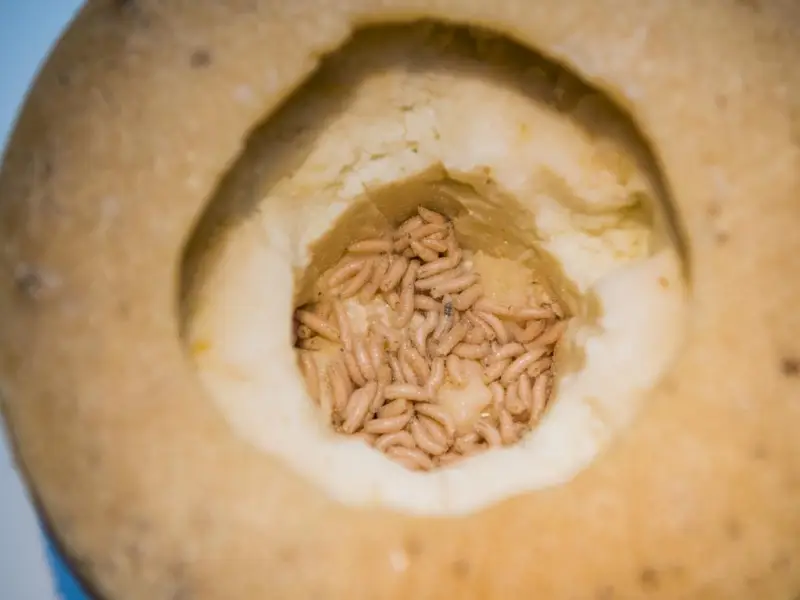
Casu Marzu is a traditional Sardinian cheese known for one very unique feature: it contains live maggots. These maggots are deliberately introduced into the cheese to aid in fermentation. As they eat through the cheese, it becomes softer and more spreadable. The cheese has a strong, sharp flavor that is creamy and tangy. The maggots can be seen wriggling inside when you cut into it. Some people love Casu Marzu, while others find the idea of eating live maggots a bit much to handle. The cheese has been banned in some countries, but it remains a cherished food in Sardinia. To eat Casu Marzu, it’s best enjoyed on a slice of bread or with crackers. It’s a true delicacy, but it’s not for the faint of heart.
Escargot (France)
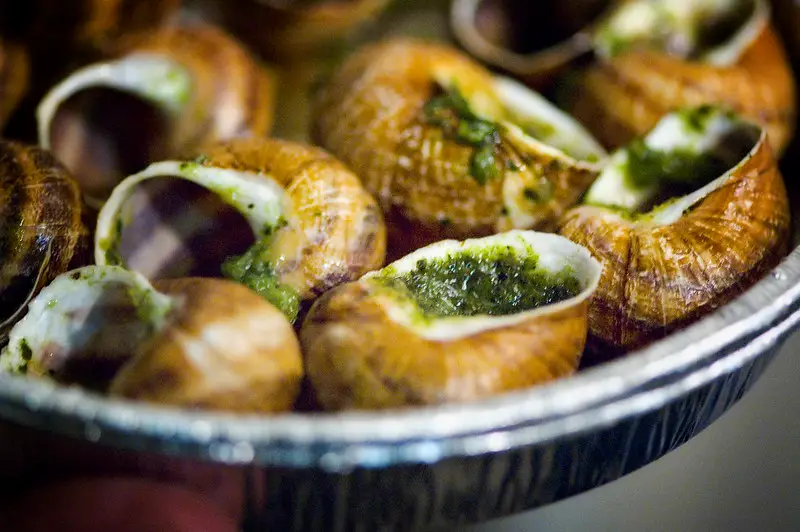
Escargot, or cooked snails, is a classic French dish. It might seem strange to eat snails, but in France, it’s considered a delicacy. The snails are first cleaned and then cooked in a rich garlic butter sauce. Some people find the idea of eating snails a bit shocking, especially since they are soft and chewy. However, when prepared properly, Escargot can be very flavorful. The garlic butter adds a savory, fragrant taste. Escargot is often served as an appetizer at French restaurants. It’s best enjoyed with crusty bread to soak up the delicious sauce. For many, eating snails is a must-try experience when visiting France. Despite its unusual ingredients, Escargot has become a favorite for many food lovers.
Fried Tarantulas (Cambodia)
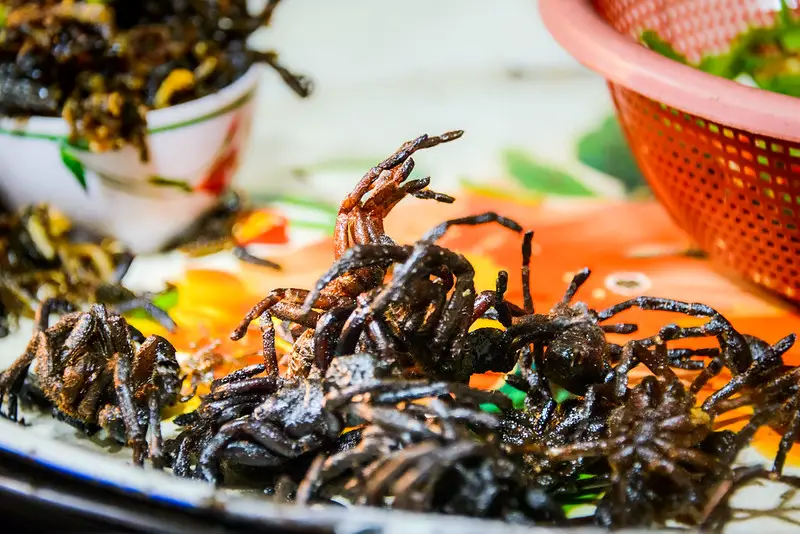
Fried tarantulas are a popular snack in Cambodia. The tarantulas are deep-fried until they’re crispy. They are often sold by street vendors and eaten as a protein-rich snack. The idea of eating a giant spider might be shocking to some. However, locals say that tarantulas taste similar to crab. The legs are crunchy, and the body has a soft, chewy texture. Fried tarantulas are often served with a little salt and pepper for extra flavor. They are a source of protein and are a part of Cambodian cuisine. While it might be hard to try them for the first time, it’s an adventurous food experience for those willing to take the plunge.
Sannakji (South Korea)
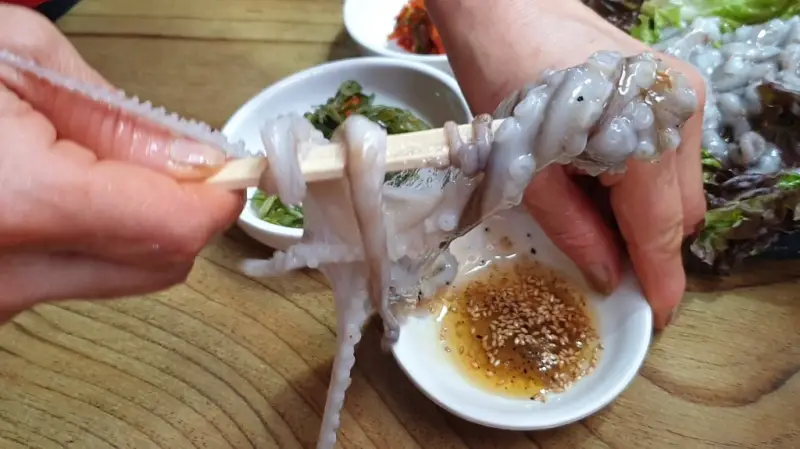
Sannakji is a Korean dish made from live octopus. The octopus is cut into small pieces and served while still moving. The tentacles can stick to your mouth as you eat. The dish is typically seasoned with sesame oil and seeds. Some people find the texture of the moving tentacles unsettling, while others find it exciting. It’s a popular dish in Korea and is often served at seafood restaurants. The flavor is mild and slightly briny. It’s a unique way to eat seafood, and while it may seem shocking to many, Sannakji is a delicacy enjoyed by those who live in South Korea.
Rocky Mountain Oysters (USA)
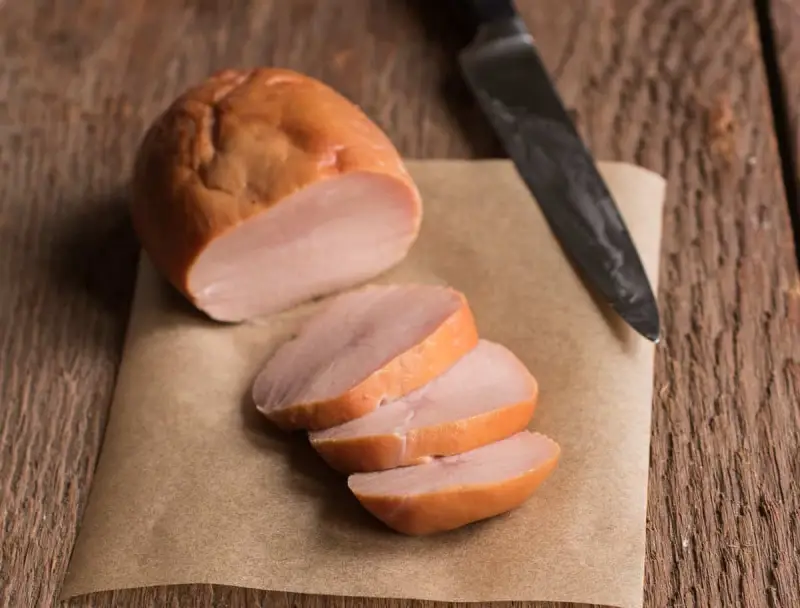
Rocky Mountain oysters are not oysters at all. They are bull testicles, often deep-fried and served as an appetizer in parts of the United States. The name can be confusing, but they are a popular dish in the American West. The testicles are usually sliced, breaded, and deep-fried. The taste is said to be similar to chicken, though the texture can vary. It may sound strange, but Rocky Mountain oysters are considered a local delicacy in states like Colorado and Wyoming. They are often served with cocktail sauce or hot sauce. For many, eating Rocky Mountain oysters is an adventurous experience tied to cowboy culture.
Insects (Various Countries)
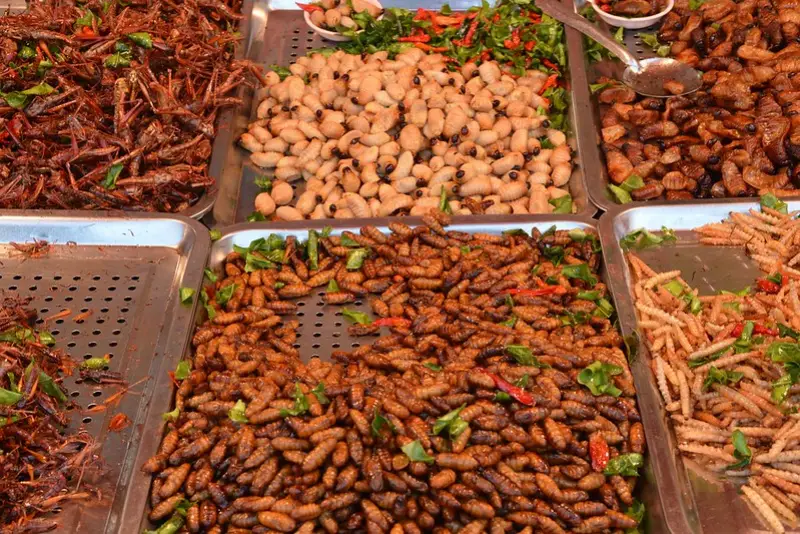
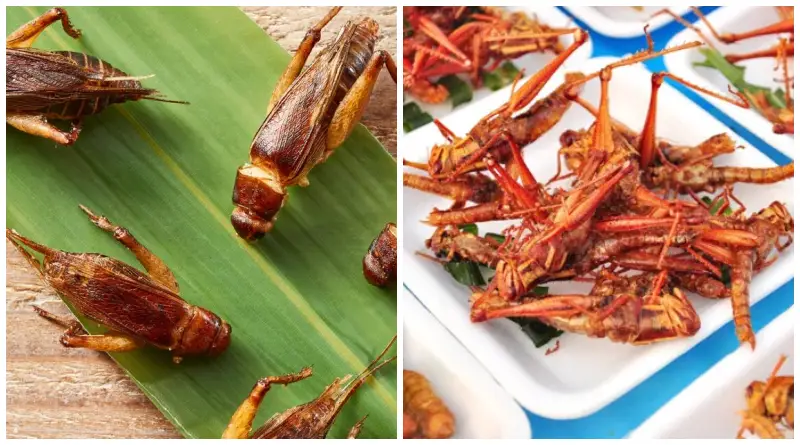
Eating insects is common in many parts of the world. In countries like Thailand, Mexico, and parts of Africa, people eat fried crickets, grasshoppers, and even mealworms. These insects are often seasoned with spices to add flavor. They are rich in protein and have been a part of the diet for centuries. Insects are crunchy and can have a nutty, savory taste. In many cultures, they are eaten as a snack or added to meals for extra nutrition. While the idea of eating insects may shock some, they are an everyday food for many people. In fact, insect farming is becoming more common as a sustainable source of protein.
Worm Salt (Mexico)
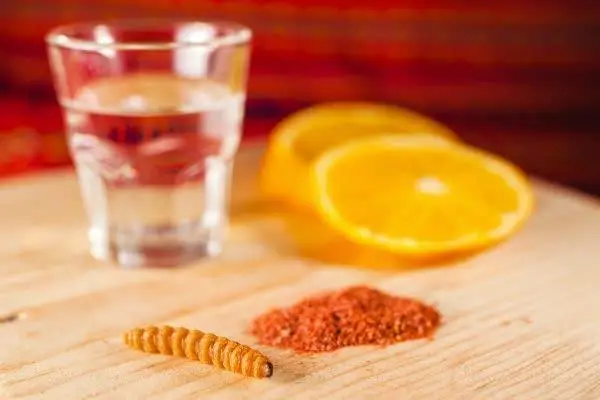
Worm salt is a unique seasoning made from dried worms. These worms are typically found on agave plants. The worms are ground up and mixed with salt and chili peppers. The result is a spicy, savory powder that’s used to season a variety of foods. Worm salt is often sprinkled on fruit, snacks, and even drinks like tequila. It adds a tangy, earthy flavor that many people find addictive. While it might sound strange at first, worm salt is an important part of Mexican cuisine. It’s a bold and flavorful way to spice up your food.
Final Thoughts
These foods from around the world might shock you. They are strange, unique, and a big part of their cultures. Trying them can be an eye-opening experience. You might not love everything, but you’ll have a fun story to tell. Traveling and eating foods from around the world will expand your tastes. Who knows, you might find a new favorite!
Also Read:
• Best 10 Countries for Healthy and Balanced Diets
• Top 10 Most Popular Types of Cheese Around the World
• 10 Black Foods That Look Burnt but Taste Amazing
• Can You Eat Air? Yes! Here Are 10 Foods Made from Air
• Meet the 10 Most Unusual Fruits Like Alien Eggs on Earth