10 Boiling Water Survival Animals That Laugh at Extreme Heat
Boiling water survival animals are some of the toughest creatures on Earth. These animals can survive in extreme heat, even in boiling water. They live in places where most life would not stand a chance. Some of them have special body structures, while others use unique survival tricks. Let’s explore these amazing creatures and see how they manage to live in such harsh conditions.
1. Tardigrades
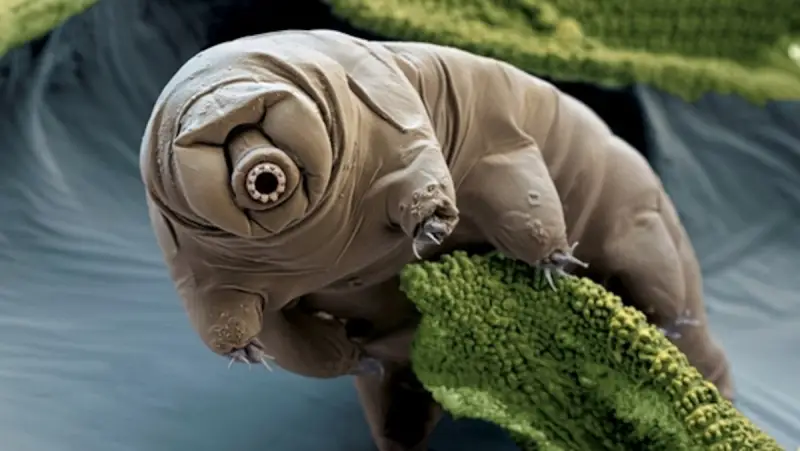
Tardigrades, also called water bears, are nearly indestructible. These tiny creatures can survive in boiling water, freezing temperatures, and even outer space. They have a special survival mode called cryptobiosis. They dry out and curl into a tiny ball when things get too hot. Once conditions improve, they come back to life! Scientists have found tardigrades in hot springs and deep-sea vents. No matter how extreme the environment, these creatures refuse to give up.
Photo by nationalgeographic.com
2. Thermophilic Bacteria
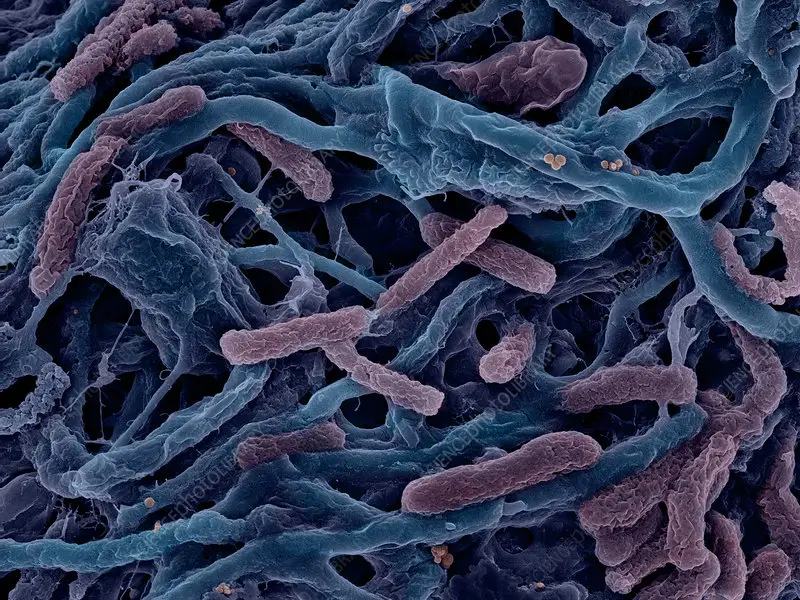
Thermophilic bacteria are heat-loving microbes that thrive in boiling water. They live in hot springs, geysers, and even deep-sea vents. Some of these bacteria, like Thermus aquaticus, can survive temperatures above 160°F (70°C). Their special proteins and cell structures prevent heat damage. Scientists use enzymes from these bacteria in DNA research. Without them, many scientific breakthroughs would not be possible. These tiny survivors prove that life can exist in the most extreme places on Earth.
Photo by sciencephoto.com
3. Pompeii Worms
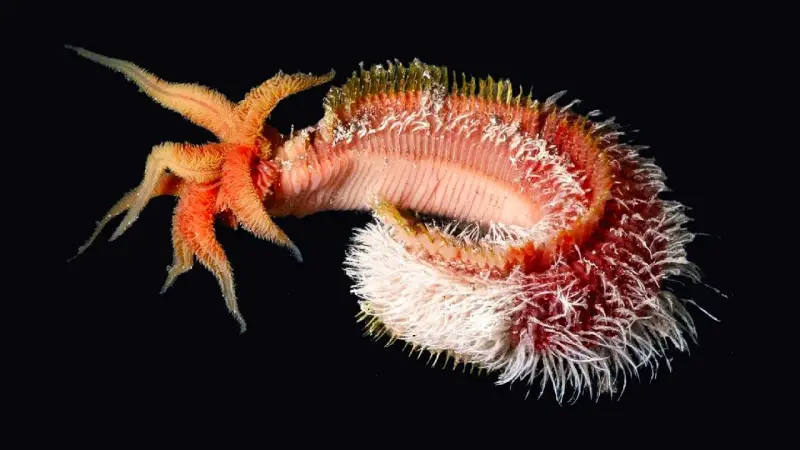
Pompeii worms are some of the toughest deep-sea creatures. They live in hydrothermal vents, where water temperatures can reach 176°F (80°C). These worms have a unique trick to survive the heat. Their backs are covered in a layer of bacteria that act like a heat shield. This protects them from the boiling water around them. Scientists still study how these worms manage to live in such extreme conditions. They are truly one of the most fascinating boiling water survival animals.
4. Hydrothermal Vent Snails
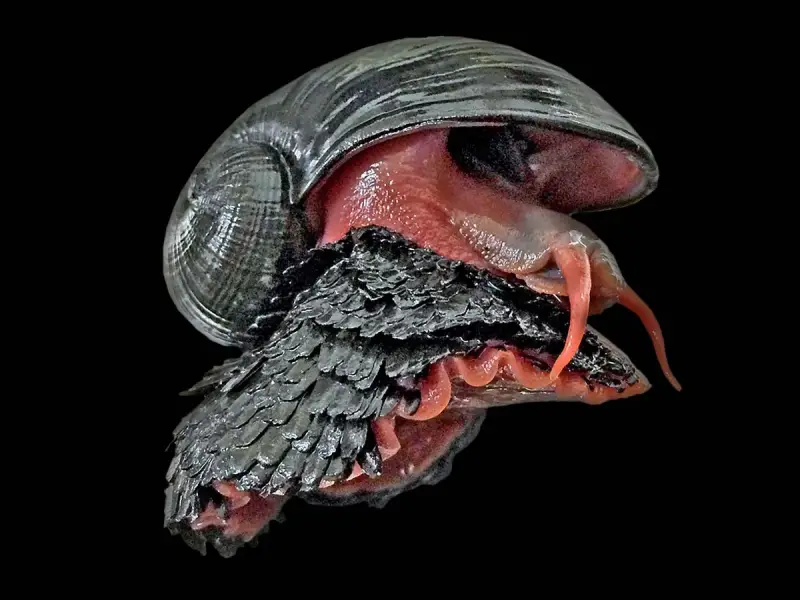
Hydrothermal vent snails, also known as scaly-foot gastropods, live near deep-sea hydrothermal vents. The water around them reaches temperatures of 750°F (400°C), but these snails survive by staying in cooler spots. Their shells are made of iron, making them one of the only animals with metal in their bodies. This armor protects them from predators and extreme heat. Scientists believe that studying these snails could lead to new materials for human use. These snails prove that even in the most hostile environments, life finds a way.
Photo by theguardian.com
5. Thermophilic Algae
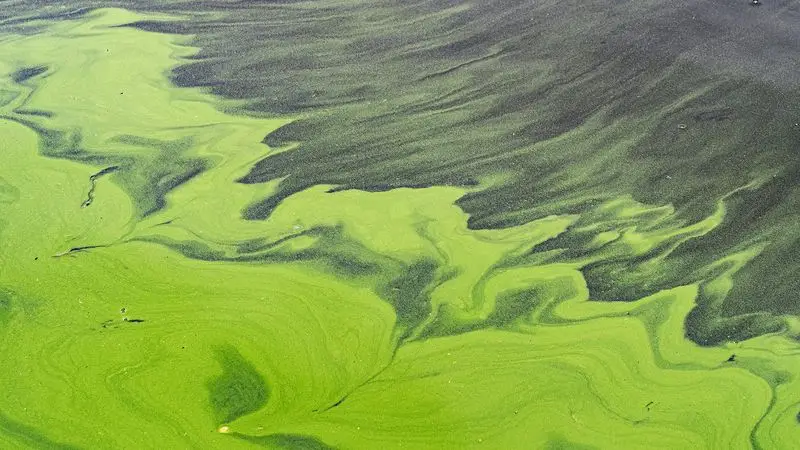
Thermophilic algae are heat-resistant plants that grow in boiling water. Some species thrive in hot springs, geysers, and volcanic lakes. They can survive at temperatures above 158°F (70°C). These algae use a special type of photosynthesis to handle extreme heat. Scientists study them to understand how life began on Earth. Without these heat-loving plants, many boiling water survival animals would not have food. These tiny organisms play a big role in extreme ecosystems.
Photo by britannica.com
6. Desert Ants
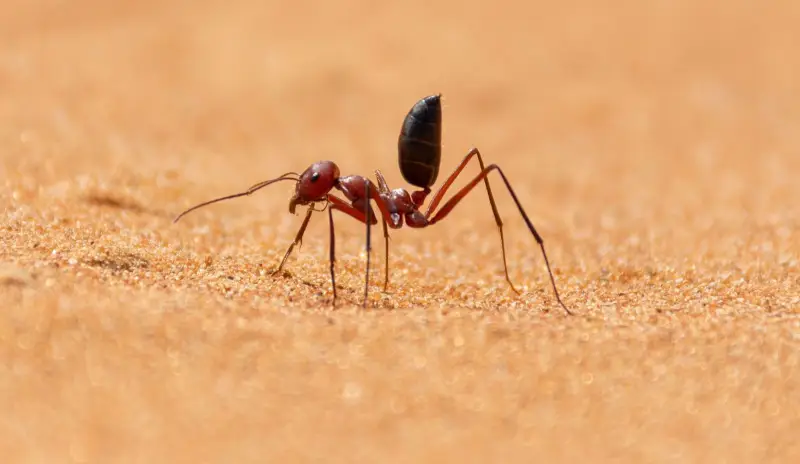
Desert ants may not live in boiling water, but they survive extreme heat. These ants run across the hot desert sand, where temperatures reach 158°F (70°C). Their long legs keep their bodies away from the ground, helping them stay cool. They also have heat-resistant proteins that protect them from damage. These ants move quickly to avoid overheating. Their ability to survive in such high temperatures makes them some of the toughest insects on Earth.
Photo by britannica.com
7. Thermophilic Fungi
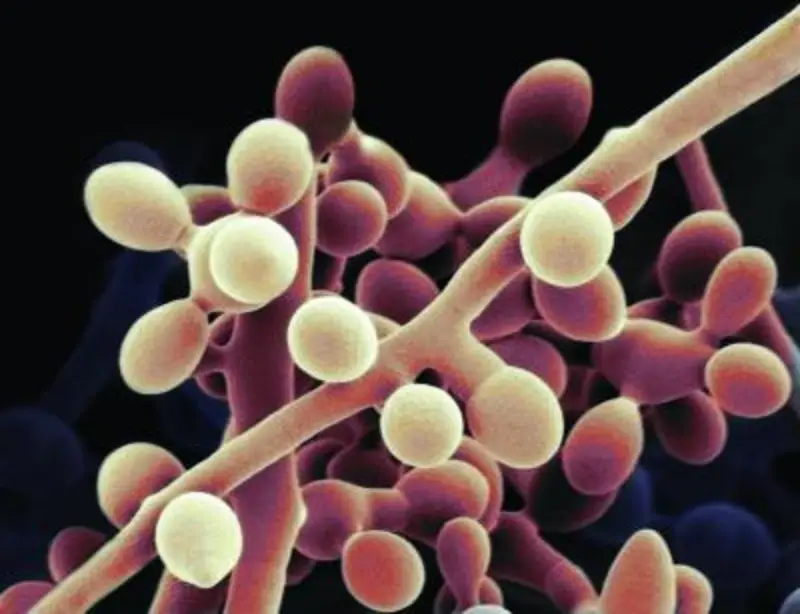
Thermophilic fungi are heat-loving molds that grow in extreme temperatures. Some species survive in compost piles and volcanic areas. These fungi can handle temperatures above 140°F (60°C). Their spores are heat-resistant, allowing them to spread even in boiling conditions. Scientists study these fungi for their potential in medicine and industry. They help break down organic matter and recycle nutrients. Without them, many ecosystems would not function properly.
Photo by eurekalert.org
8. Sulfur Worms
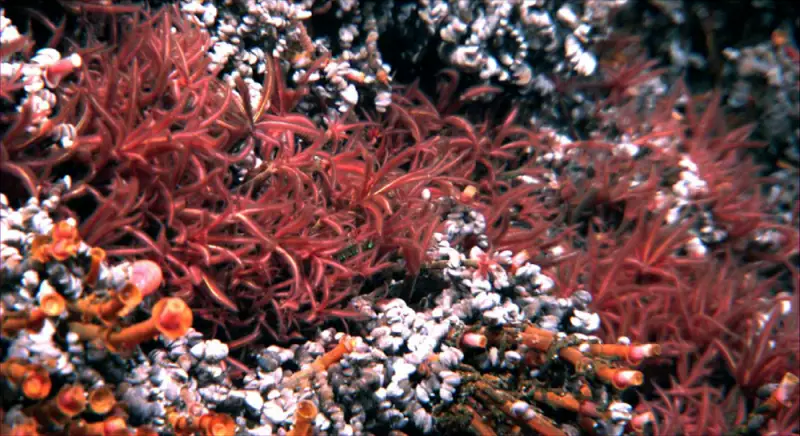
Sulfur worms are tiny creatures that live in deep-sea hydrothermal vents. These worms survive by feeding on sulfur, a chemical found in volcanic areas. The water around them can reach 176°F (80°C). Their bodies are adapted to handle the toxic environment. They have special bacteria in their bodies that help them process sulfur. Scientists study these worms to understand how life can exist in extreme places. They are proof that even in the harshest conditions, life thrives.
Photo by wikipedia.org
9. Hot Spring Protozoa
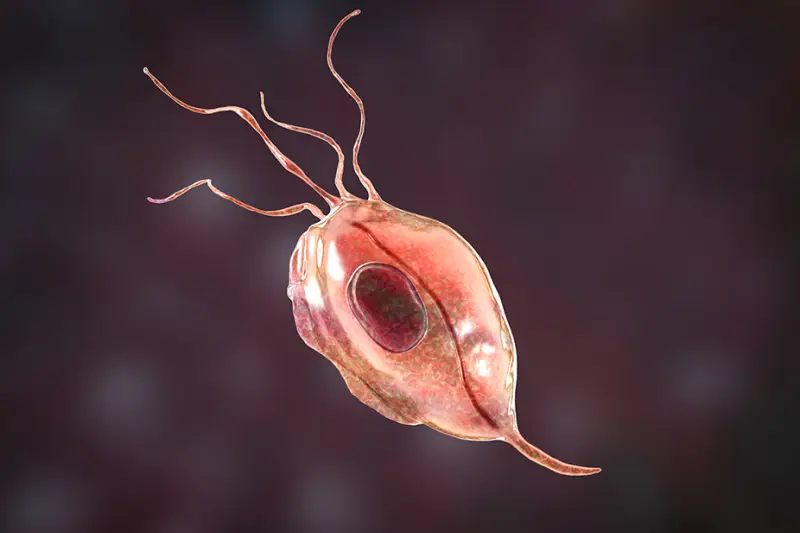
Hot spring protozoa are single-celled organisms that survive in boiling water. They live in hot springs, geysers, and volcanic lakes. These tiny creatures have heat-resistant proteins that keep them safe. Some of them even glow in the dark due to special pigments. Scientists study these protozoa to learn about early life on Earth. Their ability to survive in extreme heat makes them an important part of the food chain.
Photo by southernbiological.com
10. Deep-Sea Tube Worms
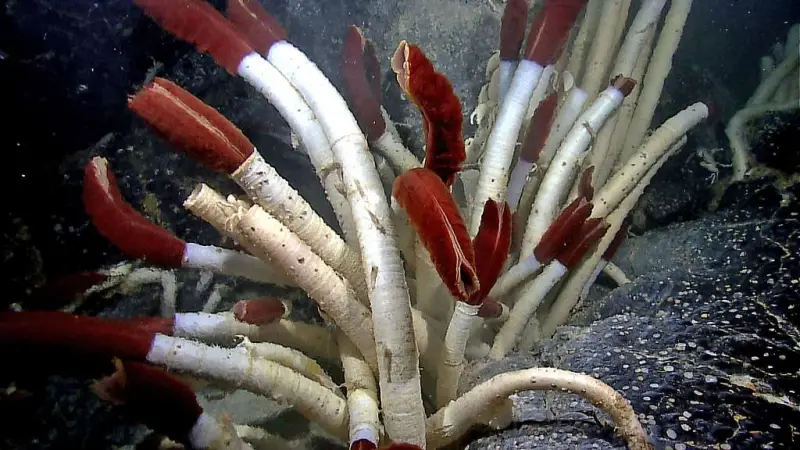
Deep-sea tube worms live in hydrothermal vents, where temperatures can be deadly. They survive by using bacteria in their bodies to process chemicals. These worms do not need sunlight to live. Instead, they rely on the heat and chemicals from the vents. They grow up to 8 feet (2.4 meters) long. Scientists study them to understand how life can exist in harsh conditions. These worms are one of the most incredible boiling water survival animals.
Photo by
Conclusion
These boiling water survival animals prove that life can exist in the most extreme places. From tiny bacteria to deep-sea creatures, they have adapted to handle extreme heat. Scientists continue to study them to learn more about survival in harsh environments. Their amazing abilities could help us understand life on other planets. Nature is full of surprises, and these animals remind us of its incredible power.
Also Read:
· Top 10 Colorful Animals That Look Like Flowers
· 10 Glowing Animals You Have to See to Believe
· Discover the 10 Best Desert Blooms That Attract Beautiful Butterflies
· From Bees to Reindeer: 10 Animals That See UV Light
· 10 Weird and Wonderful Trees That Walk Around the World